
San Diego County eFiling Services
San Diego County, California allows court documents to be filed electronically through approved Electronic Filing Service Providers (EFSPs). eFiling provides a fast, secure, and efficient way for attorneys and self-represented individuals to submit legal documents online without visiting the courthouse.
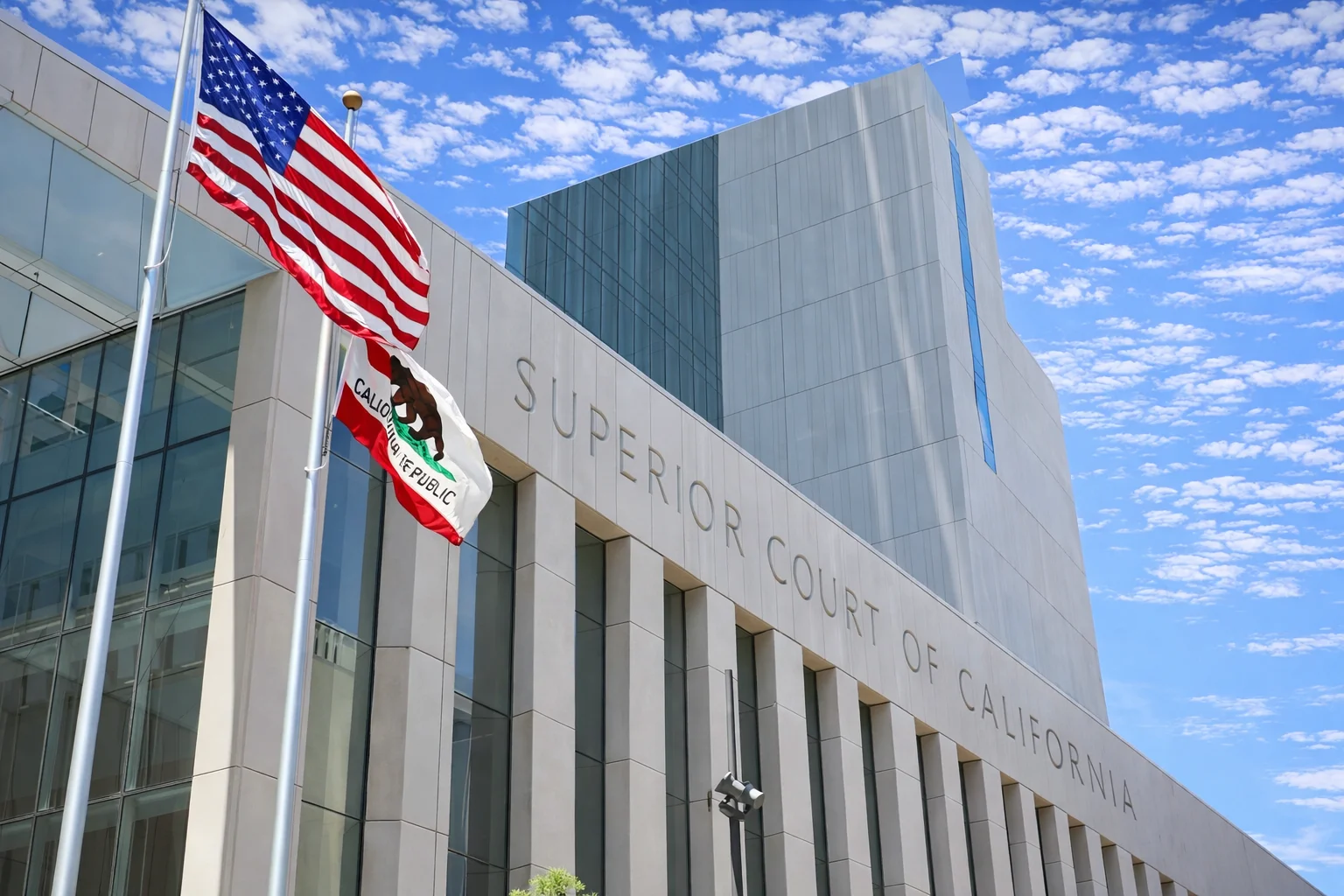
Does San Diego County Superior Court Offer eFiling?
Yes. The San Diego County Superior Court supports eFiling for multiple case types, including civil, family law, probate, and appellate matters.
Electronic filing is mandatory for attorneys in civil, probate, and many complex cases, while self-represented individuals are generally exempt but may choose to eFile voluntarily.
Some case types, such as small claims, still require in-person filing.
Benefits of eFiling in San Diego County
Using eFiling provides several key advantages:
- Submit documents online 24/7 from anywhere
- Avoid in-person courthouse visits and reduce paperwork
- Receive electronic confirmations and filing status updates
- Improve accuracy and reduce rejected filings
- Faster processing and access to court records
How to eFile in San Diego County
Getting started with eFiling is simple:
- Register with an approved Electronic Filing Service Provider (EFSP)
- Upload your documents in text-searchable PDF format
- Enter case details and select the correct filing type
- Pay court filing fees and EFSP service fees electronically
- Submit your documents directly to the San Diego County Superior Court
All filings must go through an EFSP, which acts as the intermediary between the filer and the court system.
Important eFiling Information
- eFiling is mandatory for attorneys in civil and probate cases
- Self-represented litigants are not required but may eFile voluntarily
- Documents must be submitted in text-searchable PDF format and properly formatted
- Exhibits must be electronically bookmarked, or filings may be rejected
- Certain documents cannot be eFiled, including:
- Temporary restraining orders (TROs)
- Sealed or confidential filings
- Subpoenaed documents and physical exhibits
- Some filings may require courtesy copies if hearings are scheduled within a short timeframe
- File size limits apply (approximately 35MB per document / 60MB per submission)
- Filers must redact sensitive information—the court does not do this for you
- Filings are only considered official once accepted by the court after review
If you need assistance with San Diego County eFiling, our team can help ensure your documents are properly prepared, compliant with court rules, and accepted without delays.