
San Diego, California Process Server Requirements | Court Rules & Legal Compliance
Serving legal documents properly is a critical requirement in any lawsuit, family law case, eviction, debt collection matter, or civil proceeding. California courts enforce strict service of process requirements, and even minor errors can result in delayed hearings, rejected filings, case dismissals, or the need to restart the service process entirely.
If you need a Process Server in San Diego County, California, understanding the state's legal requirements can help ensure your case proceeds efficiently and remains compliant with court rules. Whether you are an attorney, law firm, property manager, business owner, landlord, or private individual, it is important to know who can legally serve court documents, which methods of service are permitted, and what proof of service must be filed with the court.
This guide covers the essential process server requirements in San Diego County, including California registration laws, approved methods of service, proof of service requirements, court filing procedures, and common service mistakes that can delay your case. By understanding these rules, you can help ensure that legal documents are served correctly, accepted by the court, and compliant with California law.


Who Can Legally Serve Papers in San Diego?
California law permits several categories of individuals to serve legal documents.
To serve papers in most civil matters, the individual must:
- Be at least 18 years old
- Not be a party to the case
- Be legally competent to perform service
- Follow all applicable California service laws
The person filing the lawsuit generally cannot serve the documents themselves.
For example, if a landlord files an unlawful detainer action, the landlord may not personally serve the summons and complaint. Instead, service must be completed by a qualified third party.
Many individuals choose to hire a professional process server because proper service helps avoid disputes regarding notice and compliance with court requirements.
Registered Process Server Requirements in California
California Business & Professions Code requirements apply to professional process servers operating in San Diego County.
A registered California process server must:
- File registration with the San Diego County Clerk
- Maintain a valid process server bond
- Renew registration regularly
- Carry identification while performing service
- Follow all California service regulations
Registered process servers provide additional reliability for:
- Law firms
- Collection agencies
- Corporate litigation
- Family law matters
- Eviction proceedings
- High-volume legal service
Using a properly registered process server reduces the risk of improper service claims and court challenges.
California Service of Process Rules
California courts recognize several legally approved methods of service depending on the case type, defendant status, and court requirements.
Personal Service
Personal service is the preferred and strongest method of service in California.
This involves physically handing documents directly to the named individual.
Benefits include:
- Immediate completion of service
- Strong court acceptance
- Reduced disputes over notice
- Faster litigation timelines
Personal service is commonly used for:
- Summons and complaints
- Family law filings
- Restraining orders
- Small claims matters
- Subpoenas
- Evictions
Proof of Service Requirements in San Diego
After documents are served, California courts require properly completed Proof of Service forms.
A valid Proof of Service typically includes:
- Date of service
- Time of service
- Exact location served
- Name of individual served
- Method of service
- Description of service attempts
- Declaration signed under penalty of perjury
Improper or incomplete Proof of Service forms can result in:
- Rejected filings
- Delayed hearings
- Vacated judgments
- Case continuances
Our San Diego process servers prepare court-compliant Proof of Service documentation designed to meet local filing requirements.
Common Reasons Service Is Rejected in San Diego Courts
Improper service remains one of the most common procedural problems in California litigation.
Common service errors include:
- Serving the wrong individual
- Incomplete Proof of Service
- Missing mailing requirements
- Serving outside legal deadlines
- Improper substituted service
- Inadequate diligence attempts
- Serving protected individuals improperly
San Diego Superior Court clerks may reject filings if service documentation is incomplete or inconsistent.
Experienced process servers help reduce these risks by carefully documenting every attempt and ensuring compliance with California statutes.
San Diego Superior Court Locations Commonly Served
123 Legal Support regularly handles service near major San Diego County court locations including:
- Central Courthouse
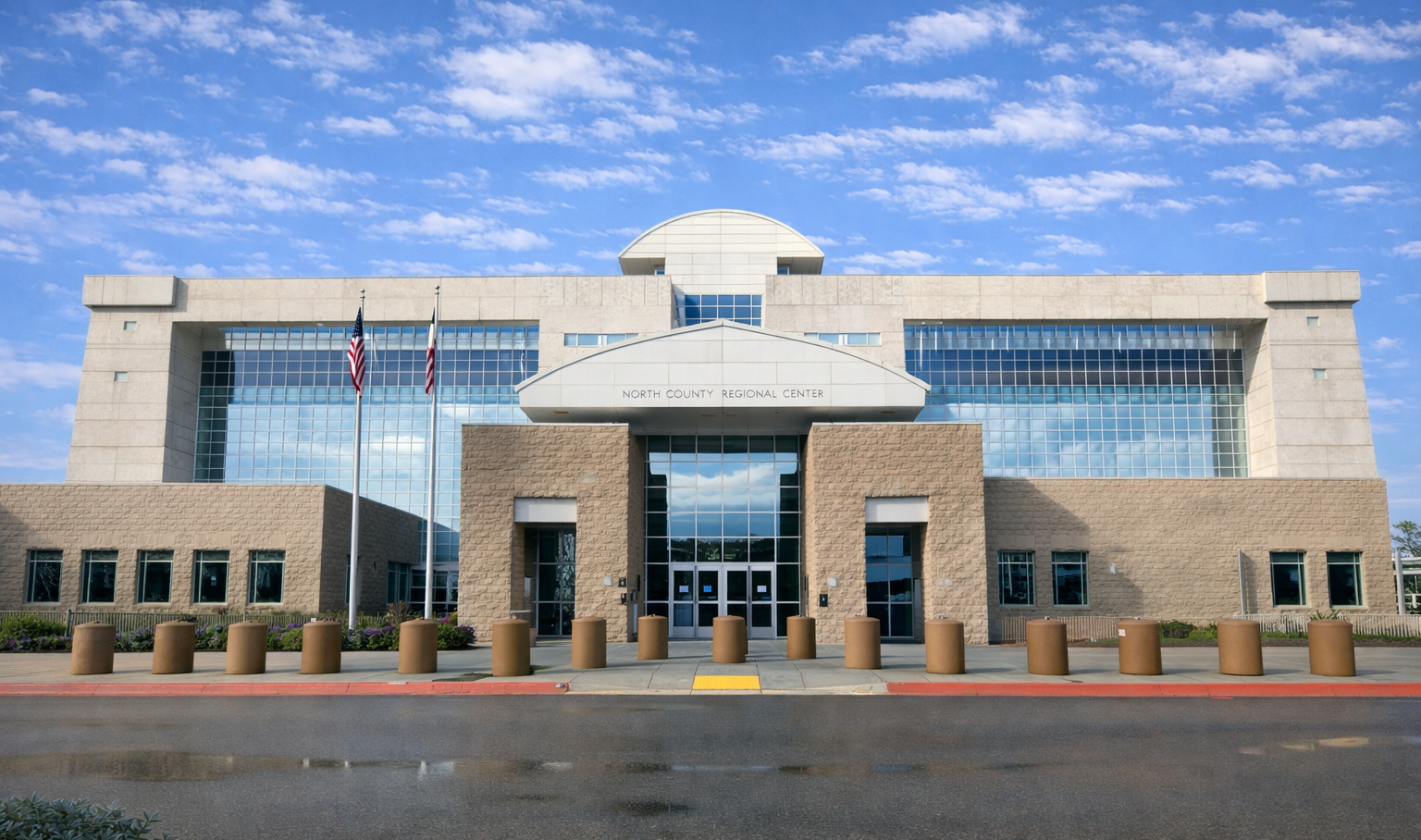
- North County Regional Center
- East County Regional Center
- South County Regional Center
- Juvenile Court facilities
- Federal Court — Southern District of California
We also coordinate service throughout:
- Downtown San Diego
- Chula Vista
- La Jolla
- El Cajon
- Escondido
- Oceanside
- Carlsbad
- National City
- North County coastal communities
Serving Papers in Gated Communities and Restricted Access Areas
San Diego County includes many gated communities, secured apartment buildings, military housing areas, and restricted-access commercial properties.
These locations often require:
- Advanced planning
- Access coordination
- Multiple attempts
- Surveillance timing
- Concierge communication
- Vehicle entry authorization
Experienced local process servers understand how to navigate these environments lawfully while maintaining compliance with California service rules.
FAQs
Got a question? We’re here to help.